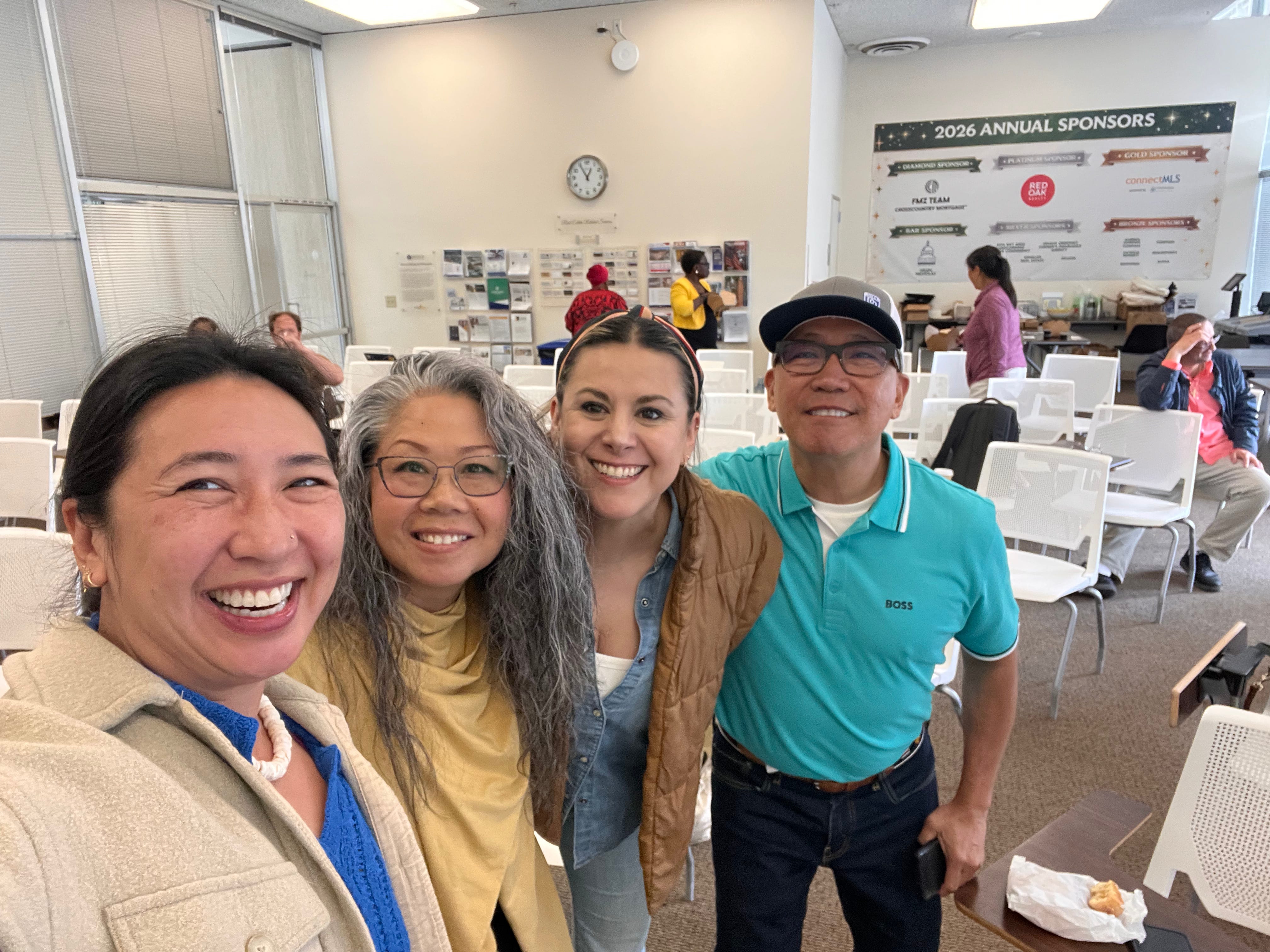
I recently completed the NAR Green Designation course — a two-day training sponsored by BayREN (Bay Area Regional Energy Network) and offered through my MLS. Sixteen hours of continuing education, two exams, and one credential that I think is going to quietly become one of the most useful things in my toolkit as an East Bay agent.
Let me tell you why I took it, and more importantly, what it means for you.
What the NAR Green Designation actually is
It’s the only green real estate designation conferred by the National Association of REALTORS®. The coursework covers energy efficiency, sustainable building principles, green retrofits, resource-efficient systems, and how to evaluate and communicate the performance of a home — not just its aesthetics or square footage.
It’s not a course about being trendy. It’s about understanding what makes a home actually work — and being able to translate that into real dollars and real decisions for the people I represent.
The thing that stuck with me most
Here’s the mindset shift I walked away with: green is a journey, not a destination.
You don’t have to build a LEED-certified home from the ground up to be doing right by the environment — or by your investment. You don’t have to tear out perfectly good systems and replace them with the most expensive sustainable alternatives on the market. That’s not what this is about.
What it is about is doing your intentional best — especially in a market like the East Bay, where so many of the homes we love are 70, 80, 100 years old. These are craftsman bungalows, Tudors, mid-century ranches, Victorian flats. They have character that no new construction can replicate. And they also have single-pane windows, aging insulation, and electrical panels that were never designed for modern life.
The green framework I came away with isn’t about perfection. It’s about progress. Swap the lightbulbs. Add attic insulation. Upgrade the water heater when the old one fails. Make intentional choices, one at a time, over the life of the home. That’s it. That’s the whole philosophy — and honestly, it’s a relief.
Because the goal isn’t to feel guilty about owning an older home. It’s to love it, care for it, and make thoughtful improvements when the opportunity arises.
Why the East Bay specifically
This designation matters more here than in most markets.
Berkeley has BESO — the Building Energy Saving Ordinance — which requires energy benchmarking and audits at point of sale for residential properties. Oakland has its own point-of-sale retrofit and disclosure requirements. The housing stock across Oakland, Berkeley, and the broader East Bay skews older, which means almost every transaction involves questions about insulation, electrical panels, HVAC, windows, and what it would actually cost to bring a home up to modern efficiency standards.
Buyers ask me these questions constantly. What will my utility bills actually be? Is this worth weatherizing? Should I factor solar into my offer price? What does an all-electric conversion look like for a 1940s bungalow?
Before this credential, I could give a thoughtful answer. Now I can give an informed one.
What this means if you’re SELLING
Green features are value drivers — but only if they’re communicated correctly. A home with solar, a newer heat pump, or recent weatherization improvements has a real efficiency story to tell. Most agents don’t know how to tell it. They check a box in the MLS and move on.
I can now help sellers understand which improvements to highlight, how to document them, and how to position them in a way that resonates with the buyers who are actively looking for energy-efficient homes — which in the East Bay, is a lot of buyers.
If your home doesn’t have those features yet, I can also help you evaluate what pre-sale improvements might be worth making, and which ones won’t move the needle enough to justify the cost.
What this means if you’re BUYING
When you’re buying in the East Bay, you’re often looking at homes that are 60, 80, sometimes 100+ years old. Beautiful bones. Real character. And real questions about what it costs to live in them.
I can now help you look beyond the listing photos and evaluate a home’s efficiency profile — factoring in utility costs, upgrade potential, and the compliance requirements you’ll inherit as the new owner. That includes things like Berkeley’s BESO audit obligations and Oakland’s lateral sewer and retrofit disclosures.
This isn’t just due diligence. It’s helping you understand the total cost of owning a home, not just the purchase price.
The bigger picture
Two-thirds of consumers say they pay attention to green features when buying a home. They recognize the connection between energy efficiency, cost savings, and healthy living. The East Bay buyer, in my experience, is disproportionately represented in that group.
This credential is my way of showing up better prepared for those conversations — not as someone who recites buzzwords, but as an advisor who actually understands what’s behind them.
Green is a journey. The East Bay’s beautiful, imperfect, century-old homes are exactly the right place to take it one step at a time.
If you’re thinking about buying or selling in Oakland, Berkeley, or the broader East Bay, I’d love to talk about what this means for your specific situation.
Let’s design the life you want — starting with the home that supports it.
Melissa | East Bay Homes by Melissa
DRE #02335814
melissabuwembo.com